

Interest Rate Projections for the Short Term and Their Impact on Texas Home Pricing
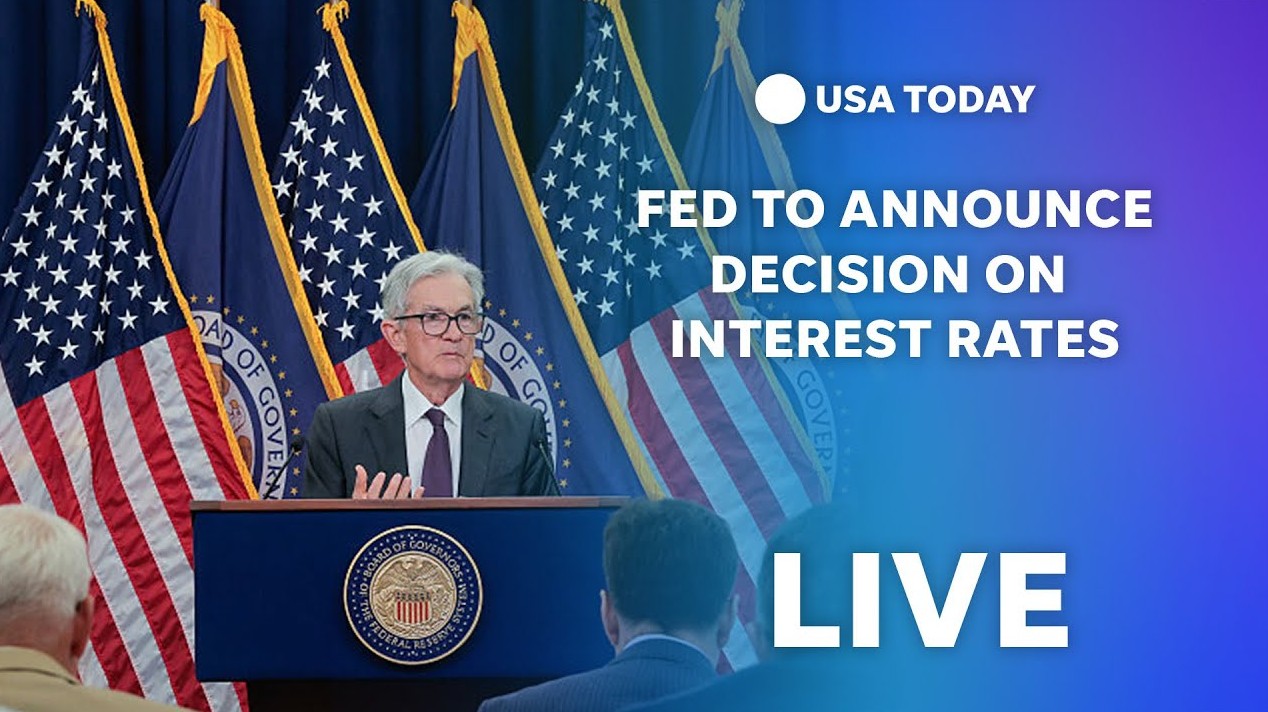
As of September 17, 2025, the U.S. housing market remains a focal point for economists, homebuyers, and investors. The Federal Reserve’s recent decision to initiate its first rate cut of the year, a 25-basis-point reduction in the federal funds rate, sets the stage for potential shifts in mortgage rates and economic dynamics. This move, aimed at addressing softening labor data and persistent inflation concerns, has sparked optimism for relief in borrowing costs. However, mortgage rates, more closely tied to long-term Treasury yields than the Fed’s short-term policy, have shown only modest declines. Drawing from analyses by five prominent mortgage news outlets, Mortgage News Daily, Bankrate, HousingWire, National Mortgage News, and The Mortgage Reports, this article explores short-term interest rate projections through the end of 2025 and their implications for home pricing in Texas, with a focus on Fort Bend County and its cities of Fulshear and Katy.
Short-Term Mortgage Rate Projections: A Cautious Descent
Mortgage rates have been volatile in 2025, starting near 7% amid inflation from tariff policies and economic uncertainties under the Trump administration. The 30-year fixed-rate mortgage, the benchmark for most homebuyers, averaged 6.35% as of September 11, per Freddie Mac data cited across sources. This is down from January’s peak of 7.04% but elevated compared to sub-6% levels in late 2024. The Fed’s September cut, bringing the federal funds rate to 4% to 4.25%, signals support for employment amid cooling job growth, but experts caution that mortgage rates will not drop sharply.
Mortgage News Daily reports the 30-year fixed rate hit a 2025 low of 6.13% in mid-September, driven by 10-year Treasury yields near 4.1%. Based on real-time lender data, they project rates stabilizing between 6.1% and 6.5% through October, with a potential uptick if the upcoming Consumer Price Index report shows higher inflation. Tariff-induced inflation could keep long-term yields and mortgage rates higher, with a forecasted average of 6.2% by year-end, assuming no major economic shocks.
Bankrate forecasts the 30-year fixed rate holding in the mid-6% range through Q3 and Q4, ending 2025 at 6.5%. Inflation remains persistent, and strong economic growth limits downward pressure on long-term rates. Their data shows a national average APR of 6.44% as of September 16, with Texas rates slightly higher at 6.75% for 30-year fixed loans due to regional lending factors. They anticipate one or two more 25-basis-point Fed cuts by December, potentially easing rates to 6.3% by early 2026, though global trade tensions may cause volatility.
HousingWire, citing the Mortgage Bankers Association, projects 30-year rates averaging 6.8% in Q3 and dipping to 6.7% by year-end, with minimal impact from the September cut. Persistent deficits and tariff costs are holding Treasury yields around 4.5%. They note 78% of lenders reported profitability in Q2 2025, but expect rates to stay above 6.5% to avoid reigniting inflation.
National Mortgage News aligns with a 6.5% to 6.7% range through fall. Their survey of top producers shows a 9.2% surge in purchase applications in early September, the highest year-over-year growth in four years, but rates are unlikely to fall below 6.2% without sustained economic softening. They project stability at 6.4% by December, noting markets are monitoring central bank actions amid policy uncertainties.
The Mortgage Reports, citing Fannie Mae, forecasts a gradual decline to 6.5% by year-end. Their September 17 update notes rates at 6.24%, with experts predicting sub-6.5% if labor data weakens further, but cautioning against expectations of a steep drop. Consensus across these sources points to short-term rates averaging 6.4% to 6.7% through Q4, driven by the Fed’s focus on inflation and employment.
How These Projections Could Reshape Texas Home Pricing
Texas has historically outpaced national housing trends, but elevated rates have tempered growth in 2025. The state’s median home price was $310,000 in May, up slightly from Q1 but with year-over-year appreciation slowing to 1.7%. Austin and San Antonio saw declines of 0.9% and 0.2%, while Dallas and Houston posted gains of 0.6% and 2.3%. Inventory rose 30.7% year-over-year to 4.8 months of supply, easing price pressure and extending median days on market to 105 in Q1. In Fort Bend County, similar trends are evident, with nearly 60% of homeowners seeing stable or slightly lower values, particularly in areas like Katy.
With rates projected at 6.4% to 6.7%, this stabilization may continue. Higher borrowing costs reduce affordability: for a $310,000 home with 20% down, a 6.5% rate yields monthly payments of about $1,560, principal and interest, versus $1,400 at 5.5%, an 11% increase that sidelines marginal buyers. Bankrate notes that in Texas, where rates average 6.75%, this challenges first-time buyers, who comprise 35% of purchases. In Fort Bend County, with median sale prices around $400,000, this could keep prices flat or slightly down, especially in new developments like Austin Point in Fulshear. Sellers in Katy are increasingly offering rate buydowns and closing cost credits, reflecting a shift toward a more balanced market.
HousingWire reports that rising inventory, now above 2019 levels in key Texas markets, is prompting seller incentives, capping appreciation at 1-3% for 2025. The Texas Real Estate Research Center forecasts 165,000 single-family permits, up 2.5%, but only 3% sales growth to 340,000 units, with modest price increases due to slowing population inflows and lower rates. If rates remain above 6.5%, National Mortgage News anticipates 1-2% price drops in high-inventory areas like Austin and Dallas-Fort Worth. In Fulshear, where average home values are $608,322, up 0.5% this year, elevated rates could extend listing times beyond 33 days and encourage more seller concessions.
Conversely, if the Fed pushes rates to 6.2% by December, demand could rebound. The Mortgage Reports highlights that small rate drops boost applications, as seen in September’s 9.2% surge, potentially tightening supply and lifting prices 2-3% statewide. In Houston, where the energy sector provides stability, and in Katy, where prices fell 7.9% to a $350,000 median, lower rates could spur activity. Mortgage News Daily notes that reduced rates could draw sidelined buyers, supporting gains in resilient markets. Bankrate adds that Texas’s job market, with unemployment below the national average, positions it for recovery, potentially pushing median prices to $320,000 by Q1 2026. In Fort Bend, new developments like Brookewater in Fulshear, adding nearly 2,500 homes, could see increased demand if rates ease.
Navigating the Market: Opportunities and Risks
For buyers in Fort Bend County, including growing areas like Fulshear and Katy, the mid-6% rate range poses affordability challenges, particularly where median prices hit $404,995 in nearby Dallas-Fort Worth. Sellers may need to offer concessions, as 35% of Texas listings saw price cuts last summer, a trend likely to persist. However, stabilizing inventory and potential Fed support could create a more predictable market, with all five sources agreeing no crash is imminent due to strong equity buffers and fundamentals.
In summary, short-term mortgage rates are expected to ease to 6.4-6.7% through 2025, per Mortgage News Daily, Bankrate, HousingWire, National Mortgage News, and The Mortgage Reports. For Texas, this suggests continued stabilization or slight softening, with 1-3% appreciation possible if rates trend lower. In Fort Bend County, including Fulshear and Katy, buyers should monitor Fed actions and lock rates amid volatility, while sellers should price competitively. These dynamics highlight the interplay between national policy and local markets, offering strategic opportunities through year-end.

Leave a Reply
Your email is safe with us.
You must be logged in to post a comment.